My research aims to develop intelligent, reliable, and sustainable electronic systems by integrating artificial intelligence, advanced microfabrication, flexible electronics, and energy harvesting technologies.
These research activities combine fundamental engineering with practical applications in wearable healthcare, renewable energy, intelligent manufacturing, and next-generation electronic systems.
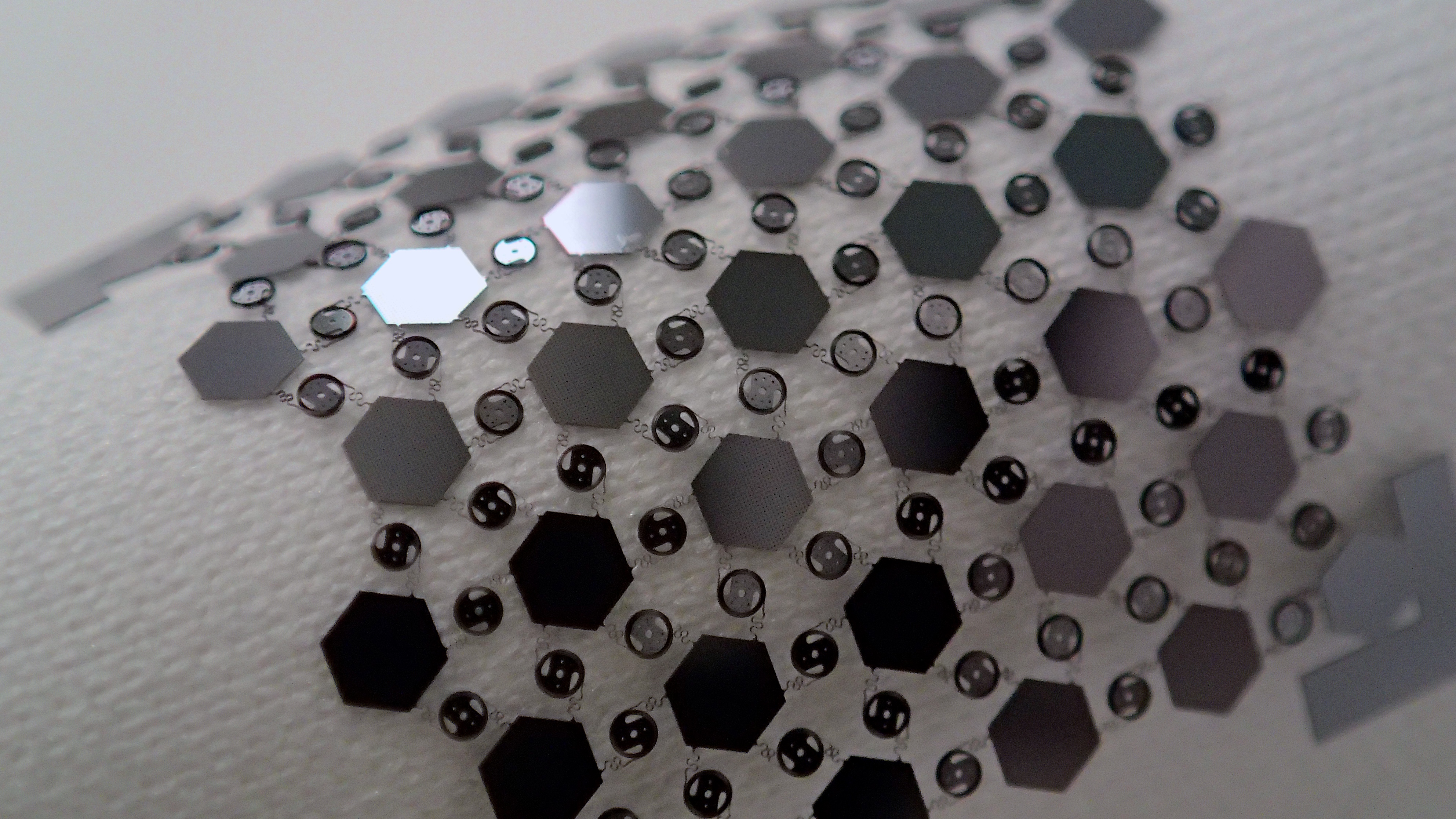
Flexible & Stretchable Electronics
Our research develops mechanically compliant electronic systems capable of maintaining reliable electrical performance under extreme bending, stretching, folding, and twisting. By combining advanced semiconductor manufacturing, structural mechanics, and innovative design concepts, we create next-generation electronic platforms that seamlessly conform to complex three-dimensional surfaces while preserving high performance and long-term reliability.
Research Focus
Current research investigates mechanically engineered electronic architectures that leverage geometry, materials, and manufacturing processes to achieve unprecedented mechanical compliance without compromising device functionality.
- Origami and kirigami-inspired electronic architectures
- Mechanics of flexible and stretchable interconnects
- Silicon-based ultra-stretchable electronic platforms
- Flexible hybrid electronic systems
Why It Matters
Future electronic systems must operate reliably while conforming to curved, deformable, and dynamic surfaces. Mechanically engineered electronic architectures enable wearable healthcare, soft robotics, smart textiles, human-machine interfaces, and biomedical devices by overcoming the mechanical limitations of conventional rigid electronics through innovative structural design rather than material replacement alone.
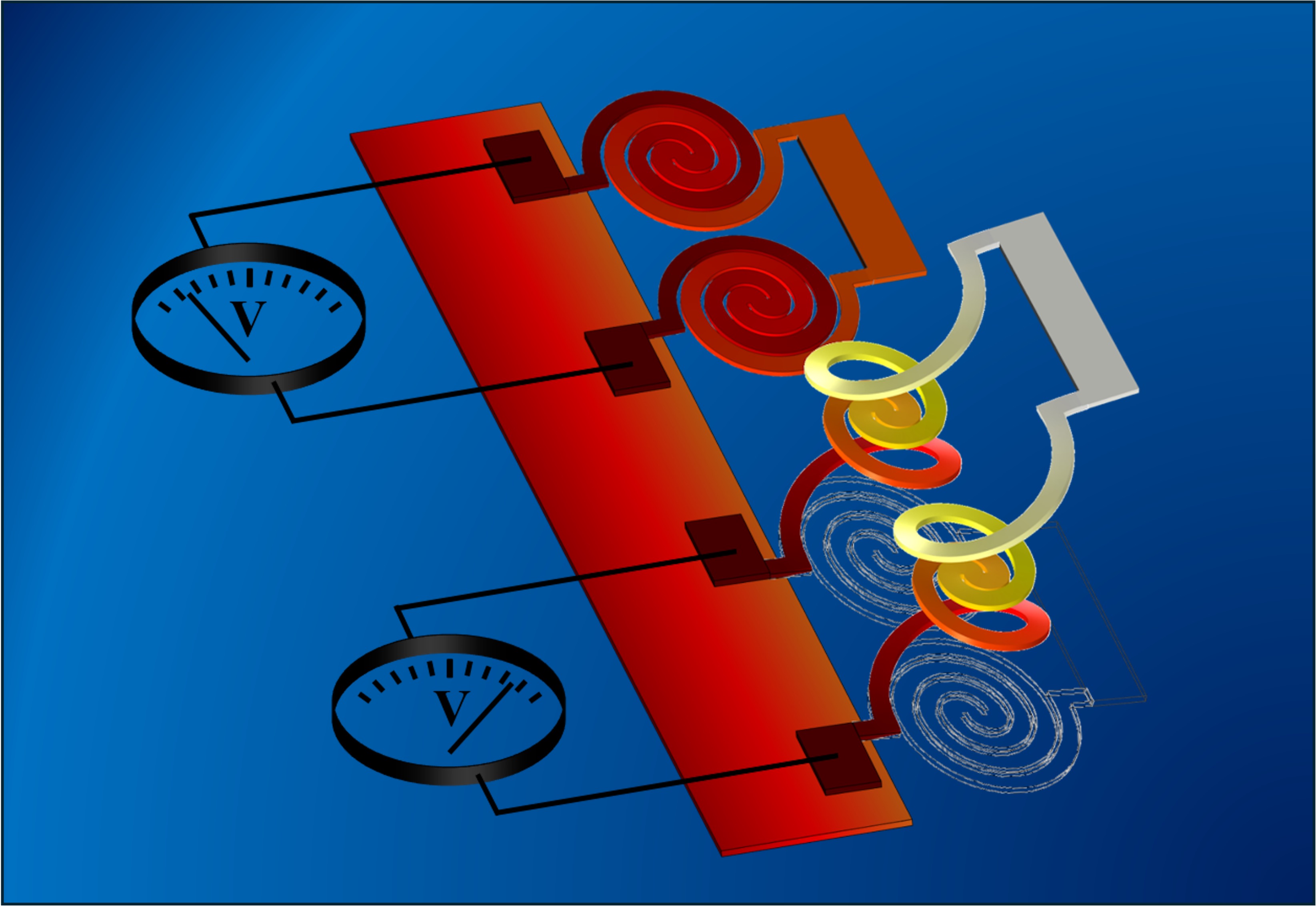
Thermoelectric
Wearable ElectronicsThermoelectric Energy Harvesting
Our research focuses on the development of flexible and stretchable thermoelectric generators capable of converting waste heat into electrical energy for self-powered electronic systems. By combining advanced materials, innovative device architectures, and scalable micro-machining/fabrication technologies, we aim to enable wearable electronics that operate autonomously without relying on conventional batteries.
Research Focus
Current research investigates novel device architectures and advanced fabrication techniques to improve energy conversion efficiency while maintaining excellent mechanical flexibility and long-term reliability. Alternative energy harvesting systems and their integration into monitoring systems has also been investigated.
- Origami paper-based thermoelectric generators (Additional novel architectures under development)
- Stretchable thermoelectric generators
- Thermal interface materials
- Wearable energy harvesting systems
- Self-powered sensing platforms (Additional work under development)
Why It Matters
As wearable electronics become increasingly sophisticated, battery life remains one of their primary limitations. Flexible thermoelectric generators offer a sustainable solution by continuously harvesting body heat or ambient thermal gradients, enabling autonomous sensing systems with reduced maintenance and improved user experience. Enabled application include Wearable Biomedical & Environmental Monitoring, Self-Powered Internet of Things (IoT), and Battery-Free Electronics
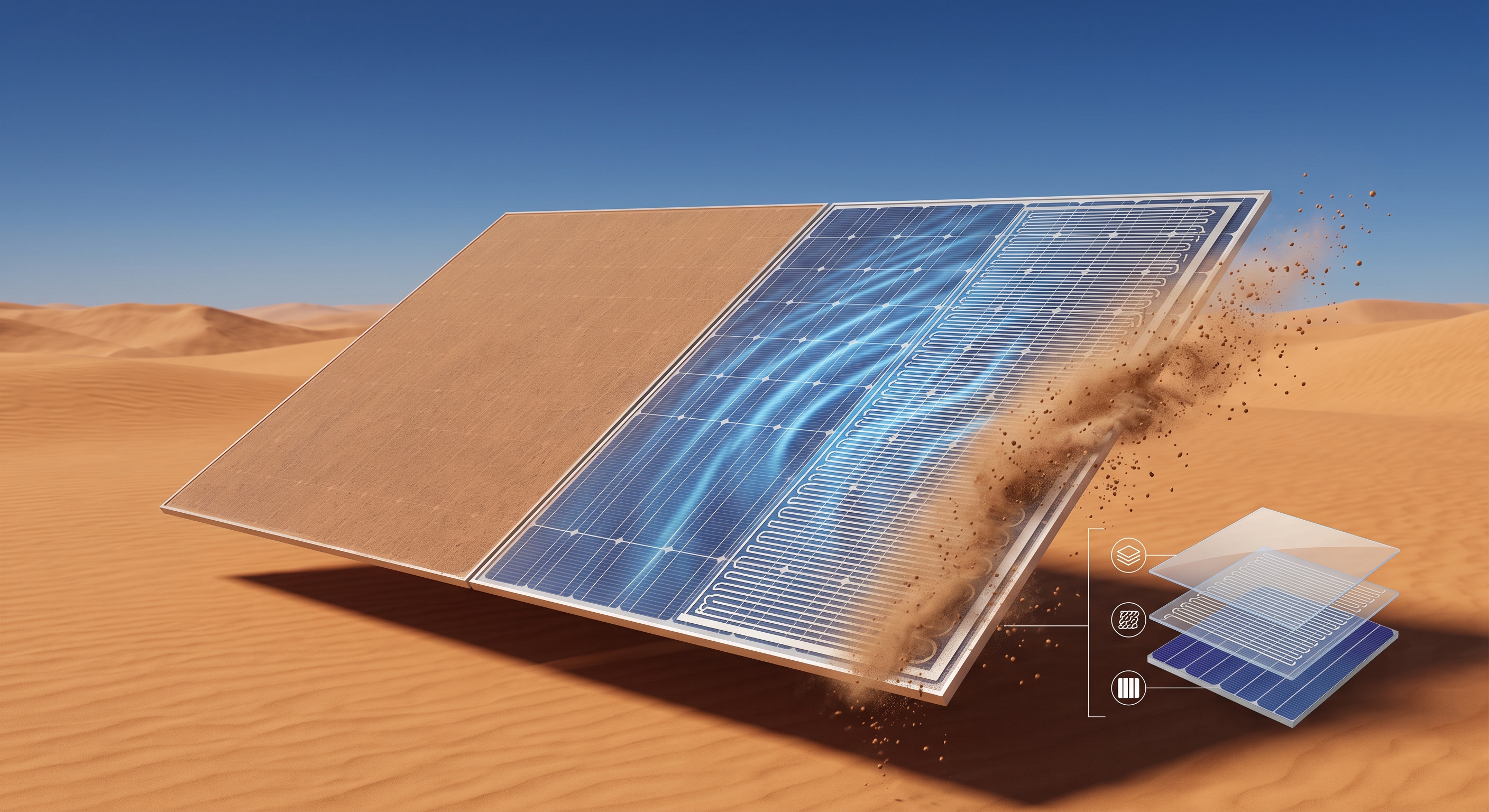
Photovoltaics
Surface EngineeringDust Mitigation Technologies
Dust accumulation is one of the major challenges affecting the long-term performance and reliability of photovoltaic systems deployed in arid and desert environments. Our research develops innovative dust mitigation technologies based on Electrodynamic Screens (EDS), advanced electrode architectures, and hybrid cleaning strategies that minimize maintenance requirements while maximizing energy production.
Research Focus
Current research investigates novel electrode geometries and intelligent driving strategies capable of enhancing particle removal efficiency under different environmental conditions. Particular emphasis is placed on fractal electrode designs and hybrid mitigation approaches that combine passive surface engineering with active electrodynamic cleaning.
- Fractal electrode architectures for optimized electric field distributions
- Hybrid passive-active dust mitigation (Under development)
- Low-power driving electronics (Under development)
- Long-term outdoor reliability studies (Under development)
Why It Matters
Dust accumulation can reduce photovoltaic power generation by more than 30% in harsh environments while increasing operational costs associated with cleaning and maintenance. Intelligent electrodynamic cleaning systems offer a water-free, autonomous, and energy-efficient solution capable of maintaining high photovoltaic performance under extreme environmental conditions.
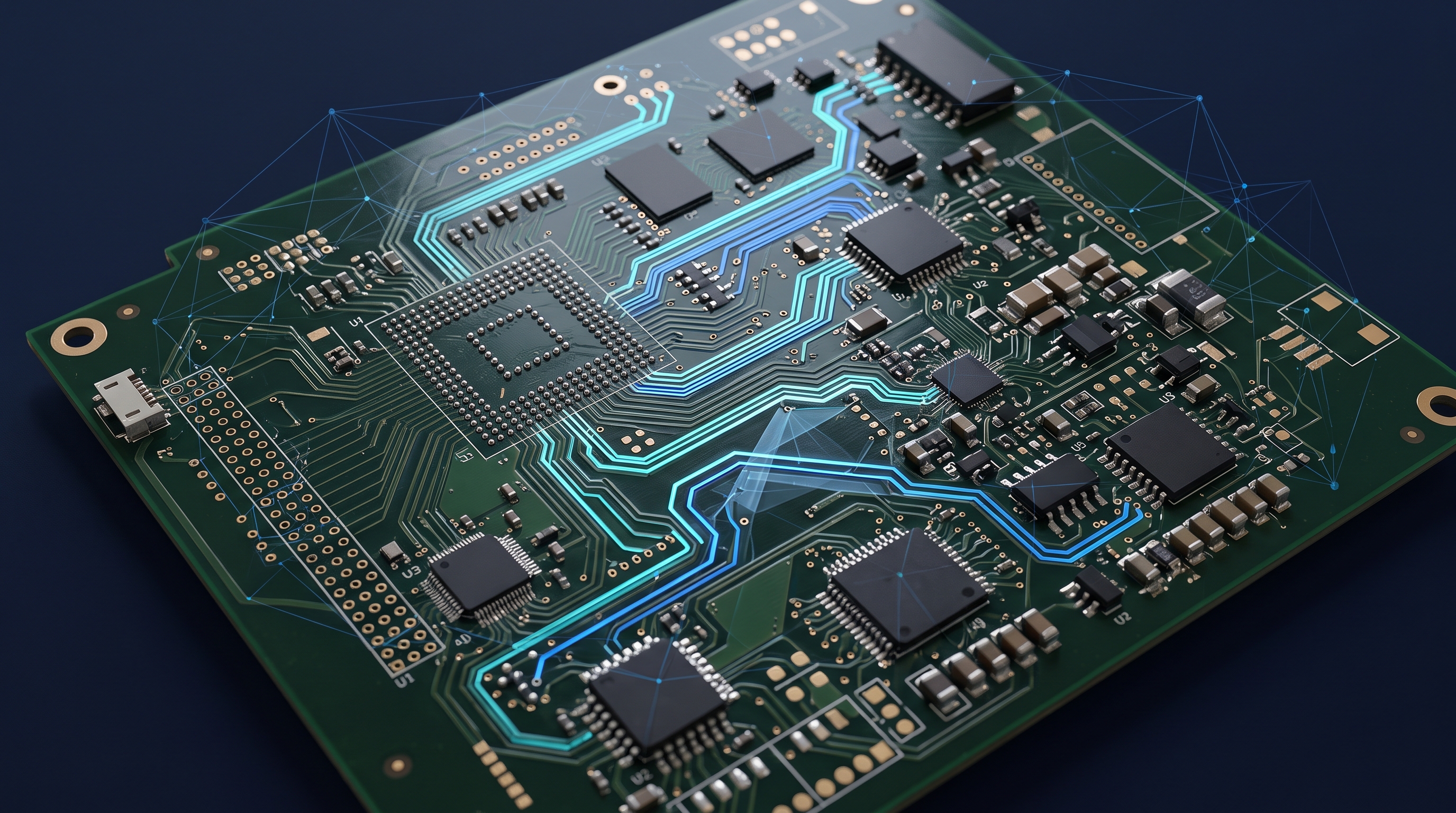
PCB Design
Novel AlgorithmsAI PCB Autorouting
Artificial Intelligence is transforming Electronic Design Automation by enabling intelligent routing methodologies capable of optimizing electrical performance, manufacturability, and routing efficiency. Our research develops AI-driven algorithms that accelerate PCB layout while maintaining engineering accuracy and design quality.
Research Focus
Current research investigates intelligent routing strategies that combine novel algorithms, graph-based representations, and machine learning techniques to enhanced the routing process.
- AI-assisted routing optimization (Under development)
- Bio-inspired algorithms for multilayer PCB routing (Under development)
Why It Matters
As electronic systems continue to increase in complexity, AI-assisted routing has the potential to dramatically reduce engineering time while improving layout quality, manufacturability, and electrical performance. These technologies represent an important step toward the next generation of intelligent PCB design tools.
My long-term vision is to develop autonomous electronic systems capable of sensing, harvesting energy, processing information, and communicating without external power sources.
Achieving this vision requires combining artificial intelligence, semiconductor manufacturing, flexible electronic systems, advanced materials, and scalable manufacturing technologies.